This film, to put simply, is a journey through Maslow’s Hierarchy of Needs. To watch the deterioration of a being, once they have fallen down the steps of the ladder. The film is dark in its nature, but also visually; an accurate portrayal of the cobwebby corners of the mind that we neglect.
This is why shadow work is necessary. We cannot ignore the shadow aspects of ourselves. It is there, in each and every one of us. I ate animal flesh growing up, and had a taste for it. Once I acknowledged this shadow, I brought it to light and began my life as a herbivore.
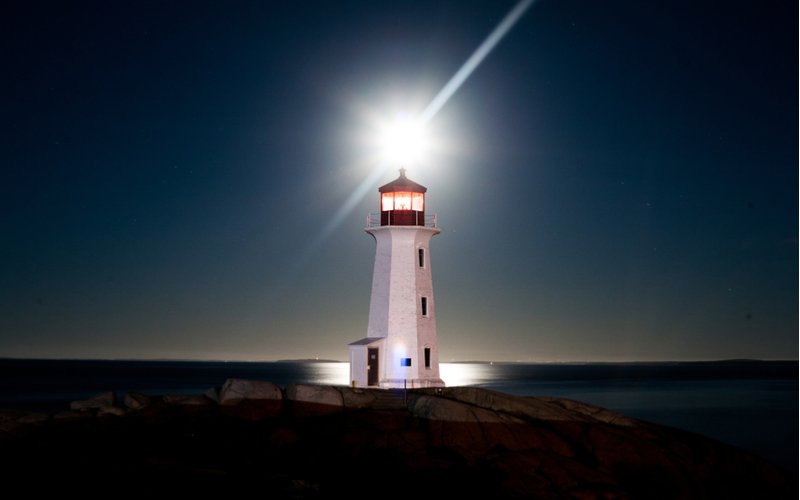
The lighthouse itself is the most obvious metaphor, and explains Howard’s obsession with it. It is for the same reason that he engaged in what Wake called “self-abuse.” We seek light in times of darkness, and we seek pleasure when none can be found. The mythology behind Prometheus is a foundation, and after light reading, so is the mythology of his son Deucalion(who is associated with the Great Flood, relating to the great storm in this story that floods The Rock).
The hallucinatory visuals are quite stunning. The images are frightening, and visceral; the cold, clammy, unforgiving quality of the sea is almost palpable through the screen. The characters are wet and unkempt, and the imagery of rats on a ship are mentioned in the plot.
There is much to say about this film, despite the simplicity of the storyline. Overall, the message conveyed is of the human spirit’s deterioration when a life without purpose is the only option. When there is no focus, our mind becomes trapped. We fixate, obsess. We neglect our body, and commit suicide over time through various methods(the ingestion of Turpentine by both characters, despite its toxicity).
The same is true, vice versa. When we neglect the body, we deprive the mind of its capacity. True power resides within the mind-body connection.
 araw araw